
Mindfulness & Meditation
How to Choose the Right Meditation for You: A Beginner’s Guide
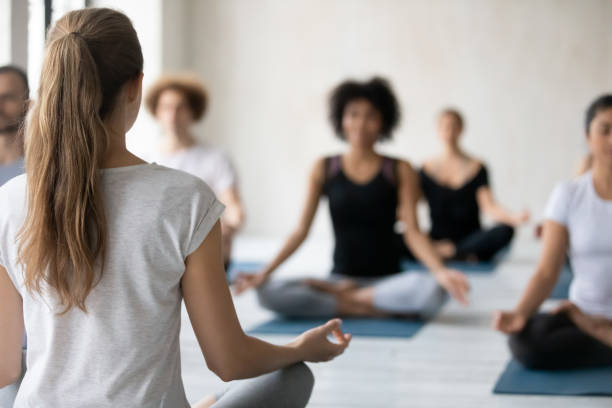
In today’s fast-paced world, meditation offers a pathway to inner peace and balance. But with so many styles and techniques to choose from, starting your meditation journey can feel overwhelming. This guide will help you navigate the options and find the practice that best suits your needs and lifestyle.
1. Understand Your Goals
Before diving into specific techniques, take a moment to reflect on why you want to meditate. Your goals can guide you to the right practice. For example:
- Stress relief: Practices like mindfulness meditation or progressive muscle relaxation are effective.
- Improved focus: Try concentration-based techniques, such as candle-gazing or breath awareness.
- Emotional healing: Loving-kindness (Metta) meditation can help cultivate compassion and emotional well-being.
- Spiritual growth: Practices like transcendental meditation or mantra meditation might resonate.
Knowing your goal is the first step to narrowing down the options.
2. Explore Different Types of Meditation
Here are some popular meditation styles and what they offer:
- Mindfulness Meditation: This practice involves observing your thoughts, emotions, and sensations without judgment. Perfect for beginners, it helps you stay present and grounded.
- Guided Meditation: Using audio or video guidance, you’re led through a meditative experience. It’s great for those who need structure or find silence intimidating.
- Breath Awareness Meditation: By focusing on your breath, this simple yet powerful technique helps calm your mind and reduce stress.
- Body Scan Meditation: Ideal for relaxation and relieving tension, this method involves mentally scanning your body for areas of discomfort or stress.
- Mantra Meditation: Repeating a word or phrase helps anchor your focus. This style can be deeply calming and centering.
- Loving-Kindness Meditation: Focusing on positive affirmations for yourself and others, this practice nurtures compassion and emotional resilience.
3. Consider Your Lifestyle
Your daily routine plays a significant role in choosing the right meditation:
- Short on time? Opt for quick practices like breath awareness or 5-minute mindfulness.
- Struggle with focus? Start with guided meditations to build consistency.
- Need flexibility? Choose techniques that don’t require special settings, like mindfulness or mantra meditation.
Creating a habit is easier when the practice aligns with your schedule and environment.
4. Experiment and Stay Open
The best way to find the right meditation is to experiment. Try different styles for a week or two and notice how they make you feel. Meditation is deeply personal, and what works for someone else might not resonate with you—and that’s okay.
Remember, there’s no “right” or “wrong” way to meditate. It’s about what feels natural and beneficial for you.
5. Build Your Practice Gradually
Starting small is key. Dedicate just 5-10 minutes a day to your chosen practice, and gradually increase the duration as you become more comfortable. Consistency matters more than duration in the beginning.
Consider using apps or online resources to guide you—many offer free trials and beginner-friendly sessions.
Final Thoughts
Meditation is a journey, not a destination. The right practice for you is the one that fits your goals, lifestyle, and personal preferences. By exploring different techniques and staying open to experimentation, you’ll find a method that nurtures your mind and soul.
Start today with a small step, and let meditation bring peace and clarity to your life. After all, every mindful moment counts.

An engineer and kindergarten math teacher, she founded ZenLifeCreations out of her own journey to find calm in the chaos. She helps others pause, reflect, and realign through simple, mindful tools — guiding busy people toward clarity, balance, and what matters most.