
Mindfulness & Meditation
Discover the Basics of Meditation: A Path to Inner Peace
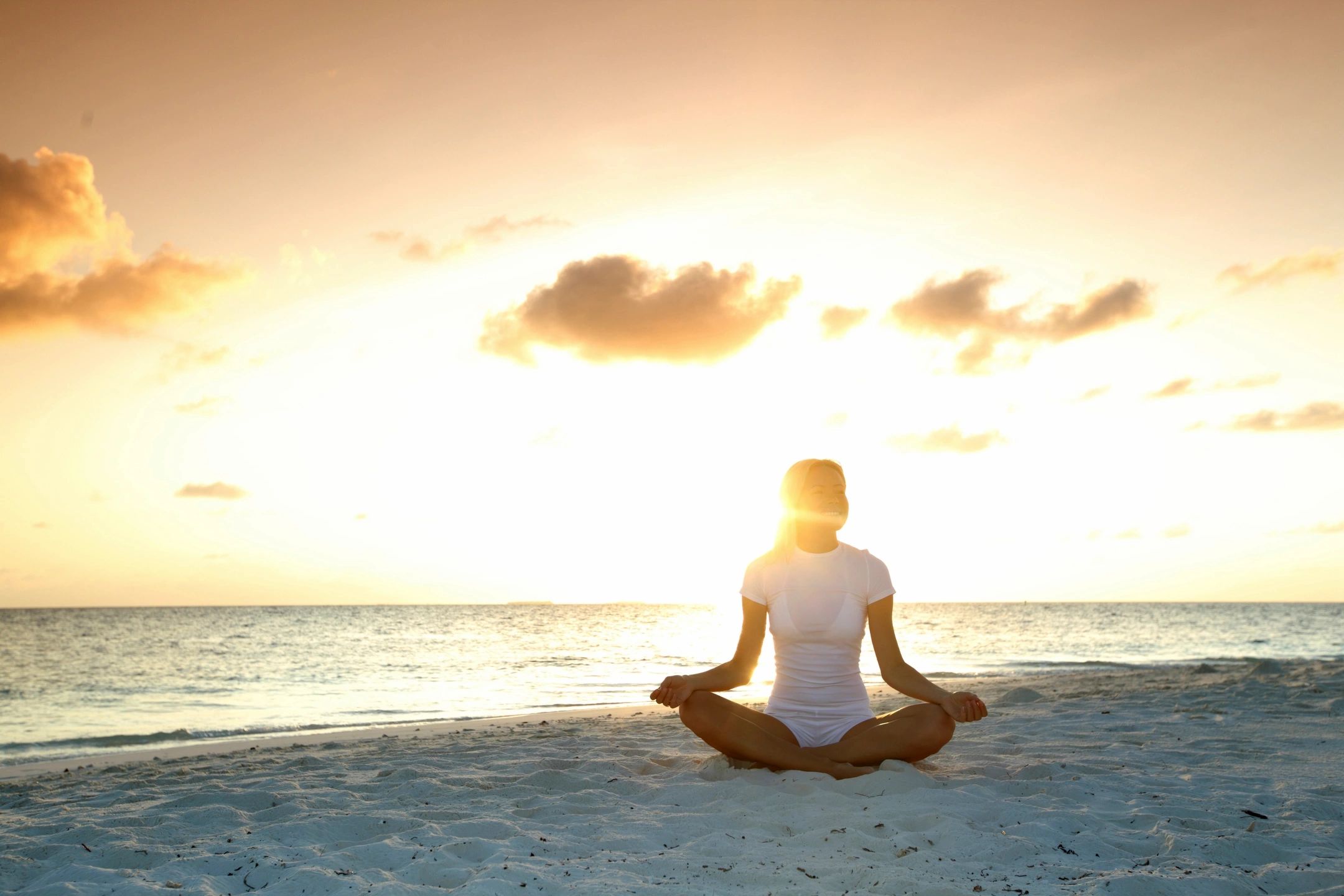
Meditation has been practiced for centuries as a way to cultivate inner peace, focus, and self-awareness. In today’s busy world, it’s more relevant than ever, offering a sanctuary of calm amidst the chaos. This guide introduces the fundamentals of meditation to help you embark on your journey toward tranquility.
1. What Is Meditation?
At its core, meditation is a practice of focused attention and awareness. It’s about being present in the moment, whether through breath, movement, or stillness. Meditation isn’t about stopping thoughts—it’s about observing them without judgment and cultivating a sense of calm.
2. Benefits of Meditation
Meditation offers numerous physical, mental, and emotional benefits. Some of the most notable include:
- Stress Reduction: By calming the mind, meditation helps lower cortisol levels, reducing stress.
- Improved Focus: Regular practice enhances concentration and mental clarity.
- Emotional Balance: Meditation fosters resilience and emotional well-being, helping you respond thoughtfully rather than react impulsively.
- Better Sleep: Many find that meditation improves sleep quality by calming the mind before bedtime.
- Enhanced Self-Awareness: It deepens your understanding of yourself and your patterns of thought and behavior.
3. Common Types of Meditation for Beginners
Here are a few beginner-friendly meditation practices to explore:
- Mindfulness Meditation: Focus on your breath, bodily sensations, or surroundings to anchor yourself in the present moment.
- Guided Meditation: Use apps, videos, or recordings where a teacher leads you through the process.
- Body Scan Meditation: Mentally scan your body from head to toe, observing and releasing tension in each area.
- Loving-Kindness Meditation: Cultivate compassion by silently repeating phrases of goodwill toward yourself and others.
Each style has its unique benefits. Try a few to see which resonates most with you.
4. How to Get Started
Starting meditation doesn’t require any special equipment or prior experience. Here are a few tips:
- Find a Quiet Space: Choose a spot where you can sit or lie down comfortably without distractions.
- Start Small: Begin with just 5 minutes a day and gradually increase the duration as you grow more comfortable.
- Be Consistent: Meditating at the same time daily can help establish a habit.
- Stay Patient: It’s normal for your mind to wander. Gently guide your focus back to your breath or chosen anchor.
5. Overcoming Common Challenges
It’s normal to face obstacles when starting a meditation practice. Here’s how to address a few common ones:
- Restlessness: If sitting still feels difficult, try moving meditations like yoga or tai chi.
- Racing Thoughts: Instead of fighting them, observe your thoughts as if they were clouds passing by.
- Inconsistency: Set reminders or pair meditation with an existing habit, like brushing your teeth.
Final Thoughts
Meditation is a journey, not a destination. As you explore the basics, remember that the goal isn’t perfection but progress. With time and patience, you’ll find that meditation becomes a refuge, guiding you toward inner peace and balance.
Take a deep breath and begin today. Each moment of mindfulness brings you closer to a more peaceful, centered self.

An engineer and kindergarten math teacher, she founded ZenLifeCreations out of her own journey to find calm in the chaos. She helps others pause, reflect, and realign through simple, mindful tools — guiding busy people toward clarity, balance, and what matters most.